
Shaykh Saad Al-Deen Al-Dhafiri
Islamic Board
Graduate of the Shariah College of Al-Masjid an-Nabawi, Master’s in Fiqh and Usul, doctoral study ongoing. Islamic economics, AAOIFI standards and the four Sunni schools.
Nikah, divorce, mahr, wills & inheritance, right in your religion, recognised in UK law.
Marriage & Nikah · Divorce · Wills & Fara'id · MediationMake your business halal, partnerships, contracts, structuring & succession, sound in UK law.
Family business · Partnerships · Sharia structuring · SuccessionFor institutions
Courts, professional advisers, public bodies and community institutions increasingly face Muslim family, business and finance questions. Familiarity helps. What the work needs is precision: what the Islamic principle is, how it sits with English law, and what follows in practice.
Or call 020 3930 1088

Who this is for
What we provide
Written or oral analysis of what an Islamic principle is and how it applies, prepared with the English-law setting in mind: Islamic finance principles and AAOIFI standards, Muslim family contexts, Islamic commercial principles, and precise terminology between Arabic and English. Where a court or tribunal needs an opinion, our scholars can prepare one to the standard and in the form the instructing party requires. We describe a capability, not a track record, and claim no court appointment.
Notes on recurring questions written for an organisation’s own casework, terminology guides so a service uses the same words correctly, and contributions to internal guidance. LawFiq is not a regulator and does not accredit, license or oversee anyone.
In-house training designed around an organisation’s own work, and briefings for a board or a bench. See Education & Training.
LawFiq is based in London and has no offices outside the UK. Where a question turns on the law of another country, it needs a lawyer qualified there. Our contribution is the Islamic-principles dimension, the terminology, and the bridge between the two settings.
Who does the work
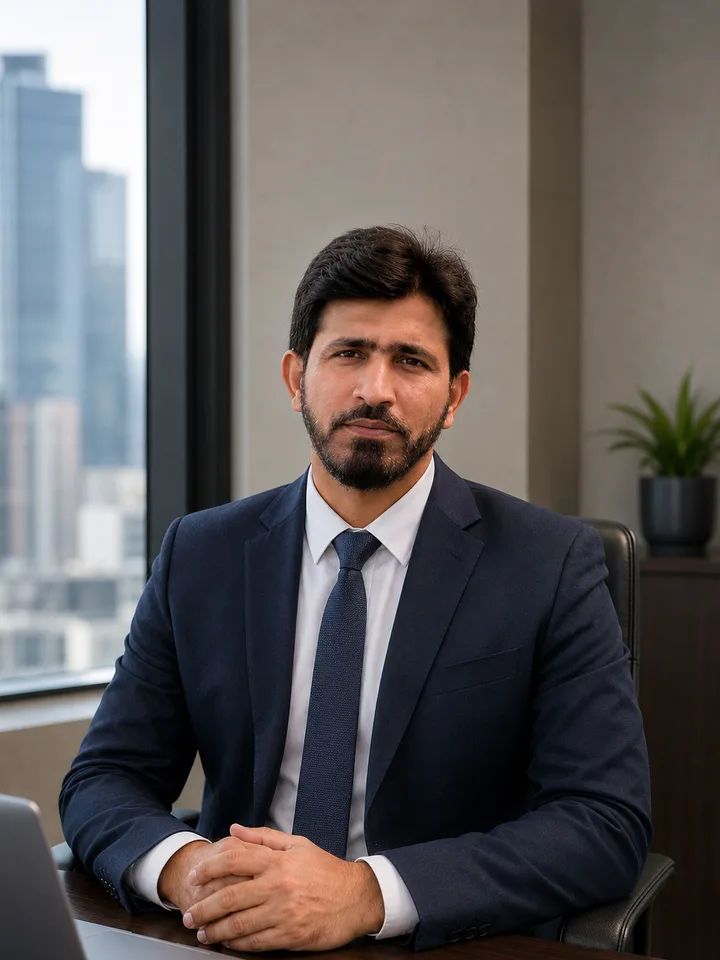
Islamic Board
Graduate of the Shariah College of Al-Masjid an-Nabawi, Master’s in Fiqh and Usul, doctoral study ongoing. Islamic economics, AAOIFI standards and the four Sunni schools.
Academic Board
PhD in Islamic Law, postdoctoral work at the University of Oxford, Assistant Professor in Shariah and Law. Islamic law, Muslim family law and women’s rights.
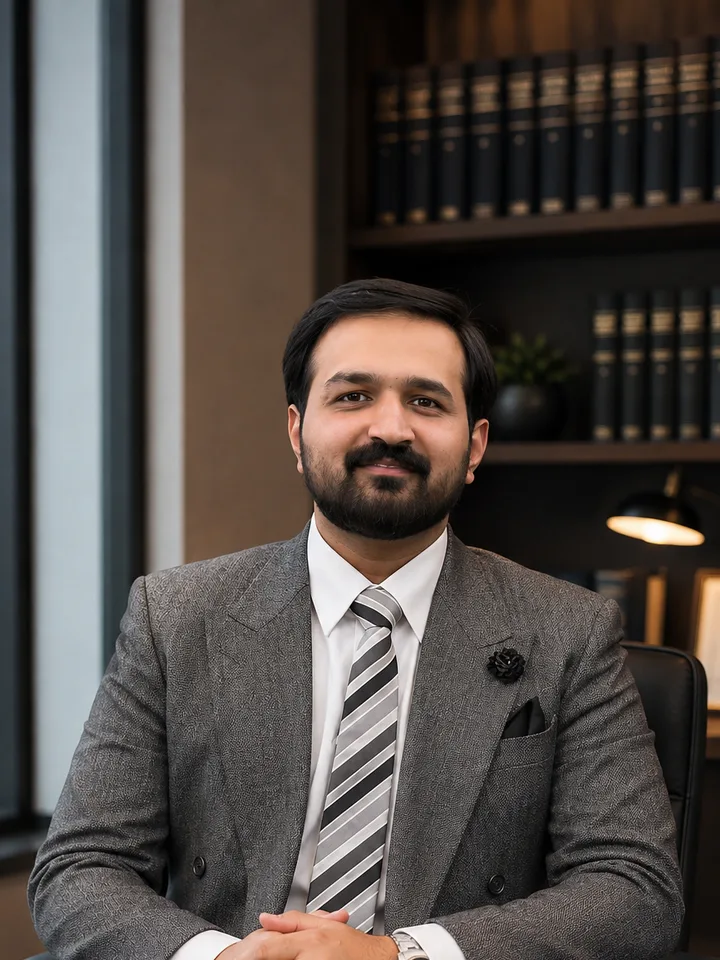
Consultant Solicitor
An SRA-regulated solicitor associated with LawFiq.
Each enquiry is scoped by LawFiq’s founder, Owais Qarni, with the member of the team whose expertise it needs. We say whether LawFiq can help, who would do the work, and on what terms. If the question needs someone else, we say that too.
LawFiq is a UK advisory company. It is not a firm of solicitors and is not itself regulated by the Solicitors Regulation Authority. Where regulated legal services are required, these are provided by our partner SRA-regulated law firm. LawFiq does not give financial advice or arrange investments, and is not a regulator, an accreditation body or a standards body.
Institutional enquiries
Who needs the answer, in what form, and by when. We will tell you whether it is one we can answer, who would answer it, and how.
Or call 020 3930 1088