

Education & Training
Understanding both systems, before you need to.
Much of what goes wrong for Muslim families and businesses in England goes wrong quietly, years before any dispute: nobody knew that faith and law were producing different results. Advice can repair a situation once it exists. Education can prevent it.
Why we teach
Most disputes begin as something nobody knew.
In advisory work the same gaps appear again and again: a couple married by nikah who assumed the law saw them as married; a will written with sincere Faraid intentions that probate could not follow; two partners trading on trust for a decade, governed all along by an Act of 1890 that neither had read. None of them were careless. They did not know that two systems were running at once. Advice repairs one family or one firm at a time. Teaching reaches the room before the problem does.
What we teach
Four learning strands
These are the areas LawFiq teaches in, and the subjects within them. They are not a list of scheduled courses. Programme details are published as they are confirmed.
-
Families & communities
For families, congregations, community groups, and anyone who wants to understand their position before a decision rather than after it.
Subjects- Nikah and civil marriage in England and Wales
- Wills, inheritance and Faraid
- Family responsibilities across both frameworks, including mahr and maintenance
- What mediation is, and when a family might use it
Typical formatsSeminars and workshops, in community settings or by arrangement.
-
Business owners
For owners, partners and family firms who want their arrangements to be sound in principle and solid in law.
Subjects- Partnership principles and English partnership defaults
- Contracts and Islamic commercial principles
- Business succession, ownership and the next generation
- Dispute-resolution awareness for partners and family businesses
Typical formatsSeminars, workshops and short courses, for owner groups or trade associations.
-
Professionals who advise Muslim clients
For solicitors, accountants, financial advisers, mediators and others whose clients live in both frameworks, whether or not the adviser does.
Subjects- Advising Muslim clients with cultural and religious fluency
- Islamic wills and Faraid in practice: what clients ask for, and what the law allows
- Nikah, civil marriage and religious divorce: recognising the issues early
- Islamic finance foundations
- Mediation in Muslim family and business contexts
Typical formatsProfessional seminars, in-house training and short courses for firms and practice groups.
-
Institutions & organisations
For courts and tribunals, local authorities, charities, schools, mosques and community organisations that meet Muslim family and business questions in their own work.
Subjects- Institutional understanding of Muslim family and business contexts
- Briefings on specific questions an organisation is facing
- Training designed around an organisation’s own casework and staff
Typical formatsIn-house training and bespoke briefings, scoped with the organisation.
How learning can be delivered
Formats, not a catalogue
The shape of a programme follows its audience and its subject. These are the forms it can take.
- Seminars One subject, one sitting
A single session on a defined subject, for a community, a congregation or a professional audience.
- Workshops Working through real situations
Smaller and more practical. Participants work through situations of the kind LawFiq sees in practice, and leave knowing what to look for.
- Short courses A subject in depth
A structured sequence of sessions for a group that wants to go further than a single evening allows.
- In-house training On your premises, for your people
Designed with an organisation around its own work, and delivered to its staff or members.
- Bespoke briefings A specific question, answered in depth
A focused session for a board, a bench, a department or a leadership team on a single issue they need to understand.
Language requirements can be discussed when training is arranged.
Who teaches
Scholarship, practice, and the space between
Teaching draws on LawFiq’s academic, Islamic and practical team.
-
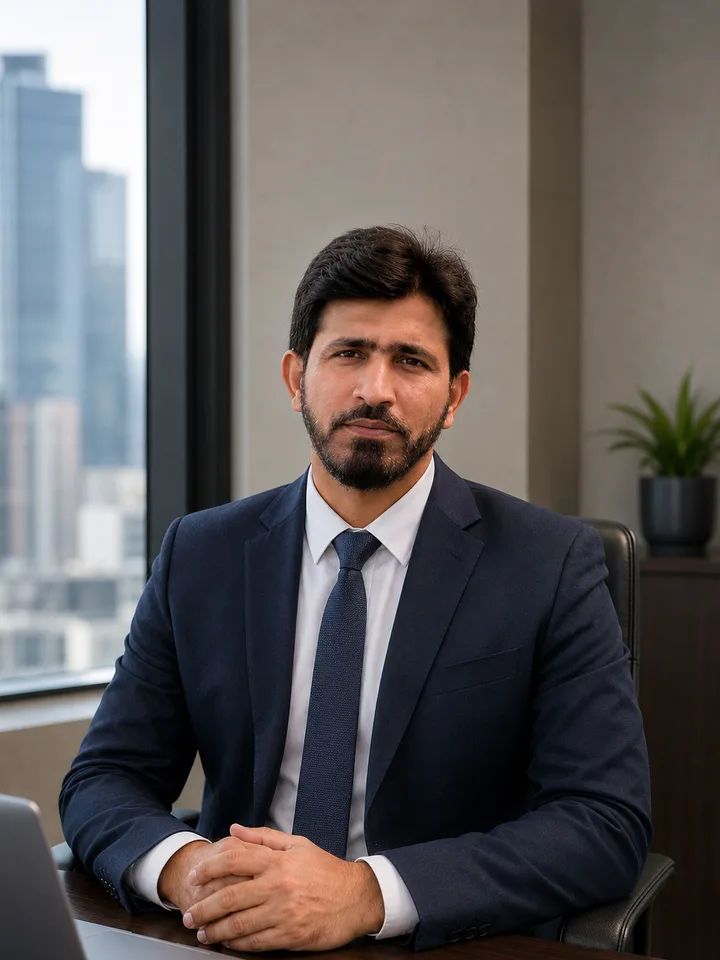
Dr Hafiz Muhammad Siddique
Academic Board
An academic specialising in Islamic law, Muslim family law and women’s rights. He holds a PhD in Islamic Law, has undertaken postdoctoral work at the Faculty of Law, University of Oxford, and serves as an Assistant Professor in Shariah and Law.
-

Shaykh Saad Al-Deen Al-Dhafiri
Islamic Board
A scholar of Shariah, Fiqh and Usul: a graduate of the Shariah College of Al-Masjid an-Nabawi, with Master’s study in Fiqh and Usul and doctoral study ongoing. His wider study spans Islamic economics, AAOIFI standards and the four Sunni schools.
-
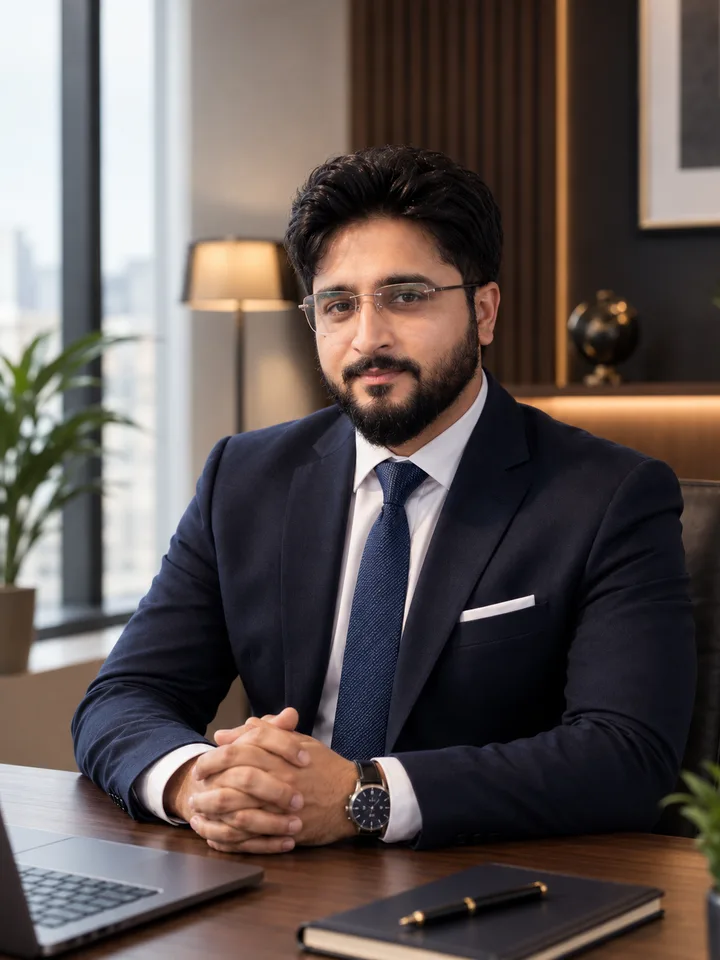
Owais Qarni
Founder & Principal · Accredited Mediator
Brings the practical LawFiq perspective: how the two frameworks meet in real families and real firms. An Accredited Mediator and Hafiz al-Qur’an, working in English, Arabic and Urdu.
LawFiq’s education work draws on the relevant members of its academic, Islamic and practical team depending on the subject. Teaching is not legal advice. Where regulated legal services are required, these are provided by our partner SRA-regulated law firm.
Programmes
Programme details are published as they are confirmed.
LawFiq does not advertise courses before they are real. If you would like to hear when a programme in one of the four strands is confirmed, or to discuss training for your organisation, tell us what you are looking for and who it is for.
Or email info@lawfiq.com to enquire about training
Common questions
Before you enquire
Can organisations enquire about bespoke training?
Yes. In-house training and bespoke briefings are scoped with the organisation: the subject, the audience, the format and the level of depth. Tell us what your people encounter in their work, and we will propose something that fits.
Is this legal training or religious teaching?
Neither on its own. LawFiq teaches where the two meet: what Islamic principles ask, what English law requires, and how the two can be brought into line in practice. Sessions explain rather than pronounce. They are not a substitute for legal advice on a particular situation, nor for a religious ruling on a particular question.
Is CPD accreditation provided?
LawFiq makes no CPD accreditation claim. Whether a session supports your own professional development requirements depends on your regulator’s rules and your own assessment; many professional bodies now ask practitioners to judge that for themselves. We can provide a description of any session you attend on request.
Get in touch
Tell us what you would like to understand.
Whether you are a family, a firm, a professional or an institution, the first step is the same: tell us the subject and the audience, and we will tell you what we can offer.
Or call 020 3930 1088